Key Takeaways
- Covered parking is one of the highest-ROI amenities in multifamily: it raises rents, lifts retention, and rarely sits vacant.
- Steel outperforms wood and aluminum on lifespan, wind and hail resistance, and total cost of ownership over a 25+ year hold.
- Painted and galvanized finishes mean decades of low-maintenance service with no rot, rust-through, or repainting cycles.
- Engineered steel carports can be fabricated in-house and installed fast, often with minimal disruption to occupied communities.
- A nationwide design-build partner controls engineering, fabrication, and installation so multi-site portfolios stay consistent.
Ask any property manager what tenants request most and "covered parking" lands near the top of the list, right alongside in-unit laundry and reliable HVAC. In a competitive rental market, a row of protected spaces is no longer a perk reserved for luxury communities. It is a baseline expectation that quietly decides whether a prospect signs a lease or keeps scrolling. Steel carports are how forward-thinking developers and operators meet that expectation while building durable, rent-generating infrastructure that pays back for decades.
This is the difference between an amenity that photographs well and one that performs financially. Done right, multifamily covered parking protects residents' vehicles, sharpens curb appeal, generates ancillary income, and lowers long-term maintenance exposure. Done with steel, it does all of that for 25 years or more. Below is a clear-eyed look at why steel carports have become the default choice for apartment parking nationwide, and what owners, GCs, and developers should weigh before they build.
Why are covered parking spaces such a powerful retention tool?
Resident turnover is one of the largest hidden costs in multifamily operations. Every move-out triggers make-ready expenses, marketing spend, and vacancy loss. Covered parking is a small capital investment that directly attacks that churn. Tenants who pay a few dollars more each month for a protected spot are financially and psychologically anchored to the property, and they renew at higher rates.
The reasons are practical and emotional at once:
- Vehicle protection from hail, UV fade, sap, bird droppings, and snow load, which residents directly associate with their landlord's care.
- A tangible sense of belonging: a reserved, covered space feels like "my spot," which raises switching costs at renewal time.
- Convenience in extreme weather, a daily reminder of value that justifies the rent premium.
- A signal of a well-run, invested community that attracts higher-quality, longer-term residents.
For operators, the math is straightforward. A covered space that rents for an extra $25 to $75 per month, depending on the market, recovers its installed cost in a few years and then becomes pure margin for the remaining life of the structure.
How much value do steel carports add to a multifamily property?
Covered parking influences value through three levers at once: incremental rent, occupancy stability, and asset valuation. Because multifamily assets trade on net operating income, every recurring dollar of carport income is capitalized into the sale price. At a 6% cap rate, $20,000 of new annual parking revenue can add roughly $330,000 to a property's appraised value, a return profile few amenities can match.
Beyond the spreadsheet, covered parking improves the lease-up story. Communities offering it can command higher base rents, market a premium amenity in listings, and differentiate against nearby properties with open lots. For value-add investors, adding steel carports during a renovation is one of the cleanest ways to push rents and justify a refinance or disposition.
Why steel instead of wood or aluminum?
The material decision drives everything downstream: lifespan, maintenance budget, insurance posture, and resident perception. Wood rots, warps, and demands repainting. Light aluminum dents and flexes under serious wind and hail. Structural steel was engineered for exactly this kind of long-service, weather-exposed application.
- Strength: steel carries heavy snow and wind loads and meets local engineering codes without oversizing the structure.
- Longevity: with painted or galvanized finishes, steel resists rust, corrosion, and structural fatigue for decades.
- Low maintenance: no rot, no annual repainting, no termite or moisture damage eating into your CapEx.
- Fire resistance: a meaningful advantage over combustible wood framing in dense residential settings.
- Design flexibility: clear spans and clean lines that match modern architecture and keep sightlines open for safety.
Over a typical 25-year hold, the total cost of ownership story almost always favors steel. The slightly higher upfront cost is recovered through avoided replacements, lower maintenance, and longer service life.
Curb appeal, lighting, and safety: the design details that matter
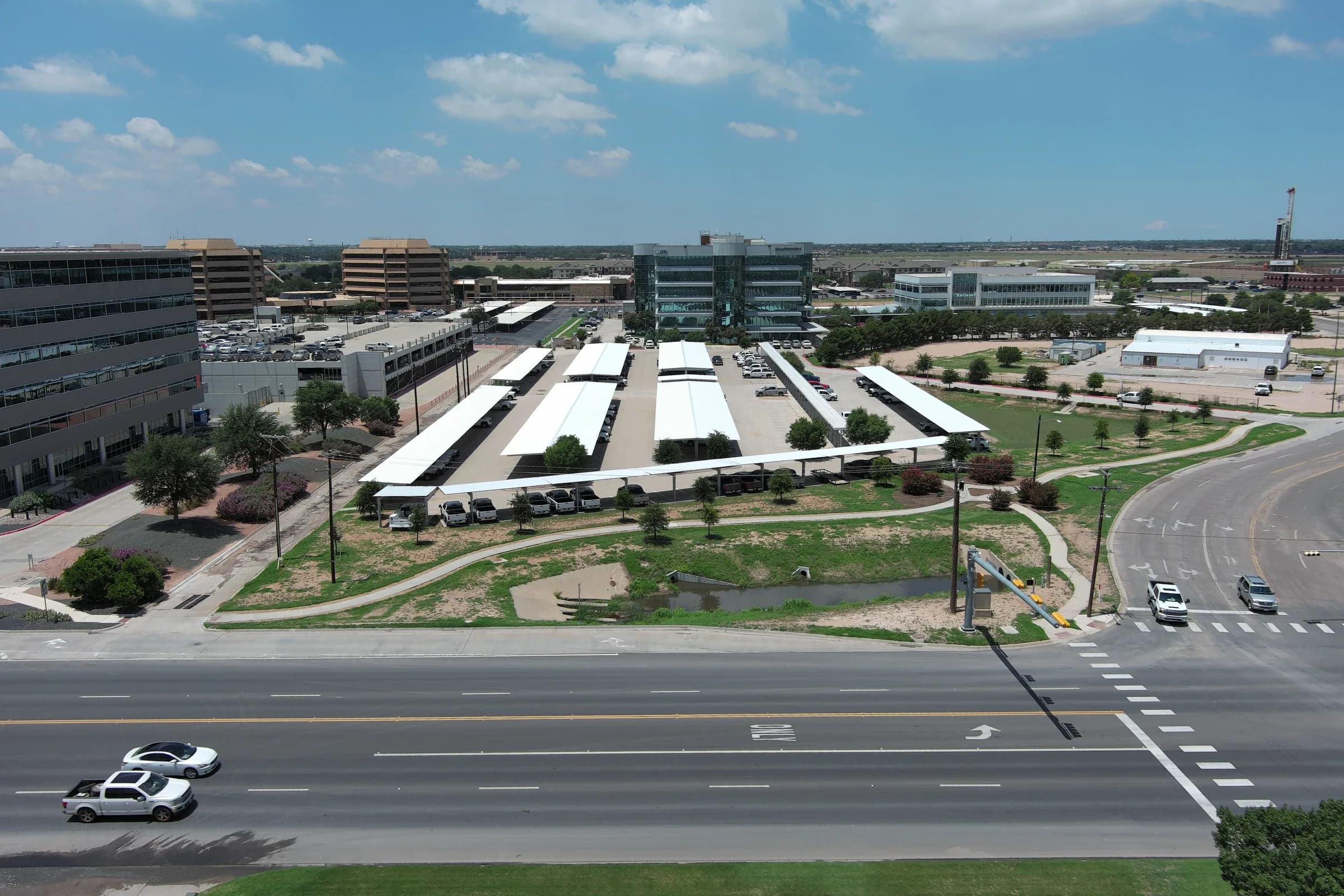
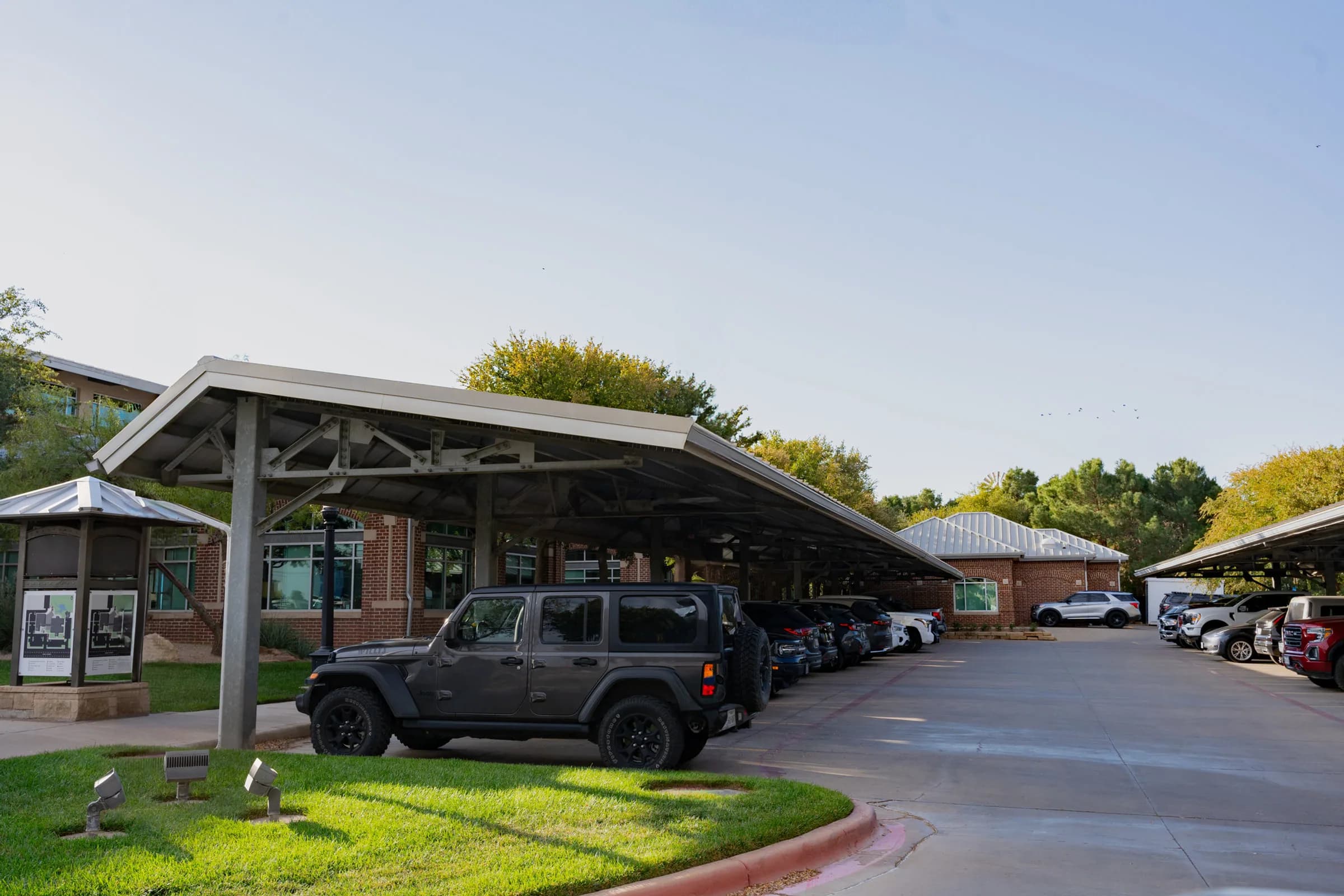
A carport system is one of the most visible structures on the property, so it should be designed, not just delivered. Steel canopies can be custom-engineered to mirror the community's color palette and architectural style, creating a uniform, polished look across the parking field rather than a patchwork of mismatched covers.
Smart designs also fold in operational details that residents notice: integrated LED lighting for nighttime safety and visibility, gutter systems that channel water away from drive aisles, and layouts that preserve clear sightlines and ADA access. These touches turn a functional cover into a genuine amenity and reduce slip, trip, and liability concerns after dark.
Can steel carports double as solar canopies?
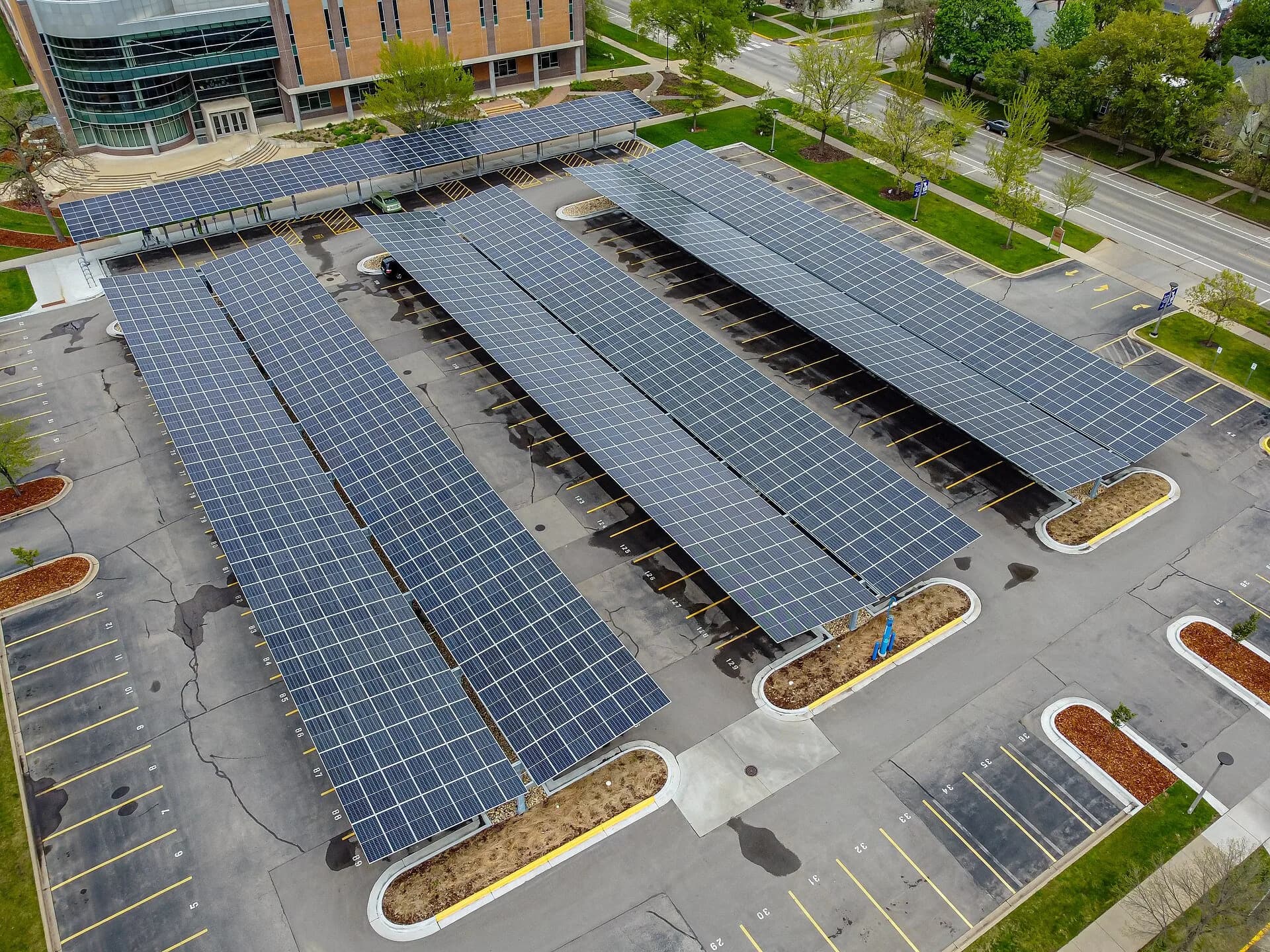
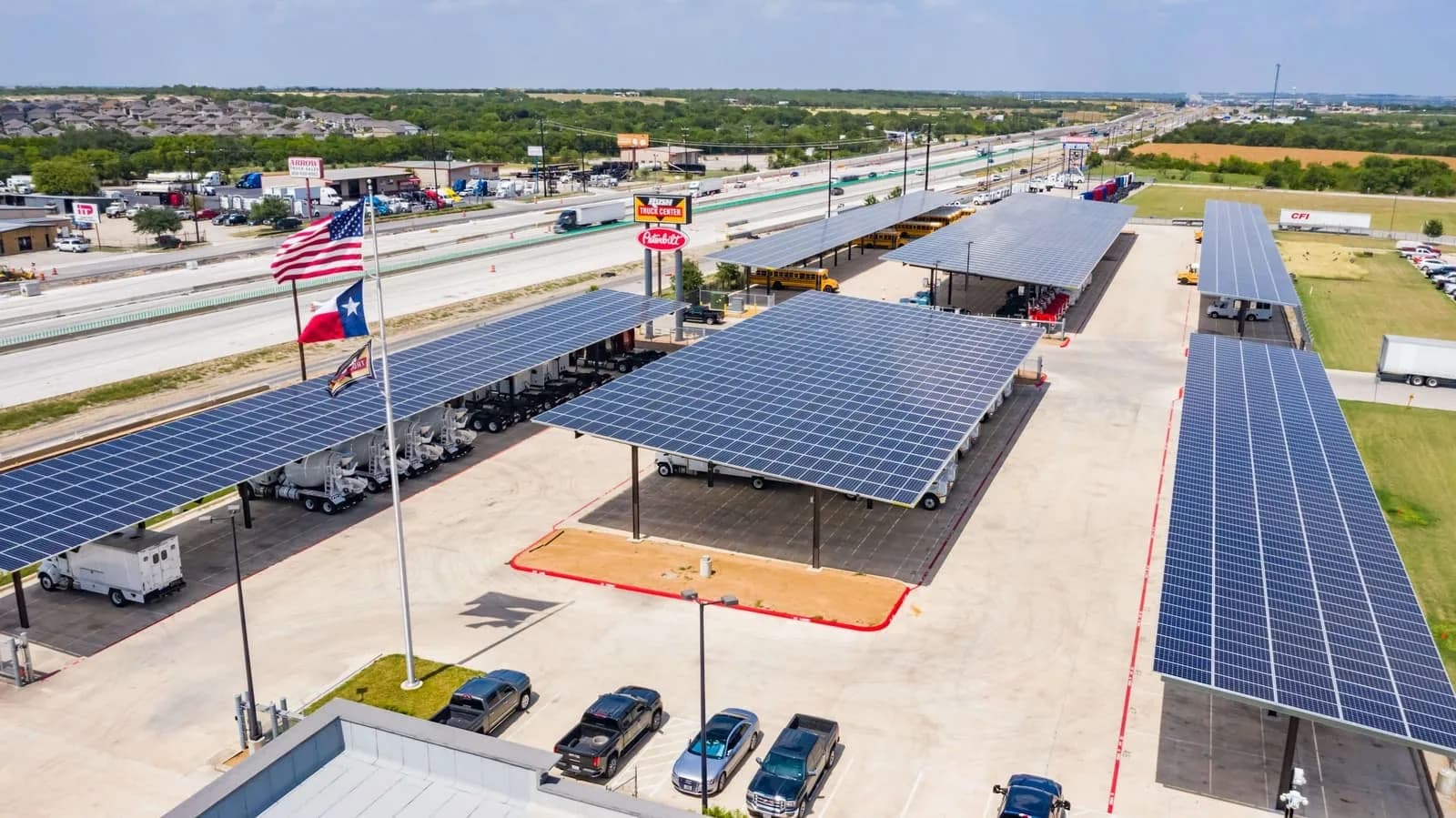
Yes, and it is an increasingly popular move. Because steel carports are already engineered to carry significant loads, they make ideal mounting platforms for solar arrays. A solar carport shades vehicles while generating clean power that can offset common-area electricity, feed EV charging stations, and help a property qualify for sustainability incentives or tax credits. For developers chasing ESG goals or green-building certifications, dual-purpose canopies turn a parking lot into a revenue and resilience asset.
How disruptive is installation at an occupied community?
Less than most owners fear, when the work is sequenced properly. Steel carport systems are engineered and fabricated off-site, then installed in phased sections so only a portion of the lot is closed at any time. Residents keep parking, leasing continues, and the project moves on a predictable schedule.
Speed depends on having one accountable partner controlling design, engineering, and fabrication rather than juggling separate vendors. Real Steel Canopies designs, engineers, fabricates in-house, and installs every system, which removes the handoffs that usually cause delays. That in-house control is how large-scale commercial installs have been completed in as little as three days for partners like Austin Commercial, and the same discipline keeps multifamily projects tight and minimally disruptive.
What should developers look for in a carport partner?
For single assets and multi-site portfolios alike, the contractor matters as much as the canopy. Look for a partner who can deliver consistency, code compliance, and accountability across every location:
- In-house design, engineering, and fabrication so quality and schedule are controlled, not subcontracted.
- Proven structural engineering that meets local wind, snow, and seismic codes wherever you build.
- Durable finishes (painted or galvanized) backed by a track record, not just a brochure.
- Regional and national reach to standardize specs across a portfolio with a single point of accountability.
- Safety-led field crews; OSHA 30-certified leadership signals a culture built for occupied, active sites.
- Two decades of commercial, industrial, multifamily, and municipal experience to draw on.
With 20+ years of experience and nationwide project capability, Real Steel Canopies brings that full stack to multifamily owners and the GCs who serve them, from a single suburban community to a coast-to-coast development pipeline.
Steel carports are more than shelter from the weather. They are a scalable, income-producing investment that elevates the resident experience, hardens long-term property value, and differentiates a community in a crowded market. As renters keep raising their expectations and operators keep hunting for durable NOI, covered parking built from engineered steel has become one of the smartest moves in the multifamily playbook nationwide.
Frequently Asked Questions
- How much can apartments charge for covered parking?
- Premiums typically range from about $25 to $75 per space per month depending on the market, climate, and demand. In hail- or sun-prone regions, residents pay more for protection. Because that income is recurring, it usually recovers the carport's installed cost within a few years and then boosts net operating income for the life of the structure.
- How do covered carports improve tenant retention at apartment communities?
- Covered parking is a sticky amenity residents do not want to give up once they have it. Protecting their vehicles from hail, sun, and snow adds daily convenience and perceived value, reducing turnover and the costly churn of re-leasing units. Communities that offer carports often see stronger renewals and a competitive edge in tight rental markets.
- Can carports be installed without closing the whole parking lot?
- Yes. Steel carport systems are fabricated off-site and installed in phased sections, so only part of the lot closes at a time while residents keep parking and leasing continues. Working with a partner who controls design, engineering, fabrication, and installation in-house keeps the schedule tight and disruption to occupied communities low.
- How many covered spaces should a multifamily property add?
- It depends on unit count, parking ratios, and resident demand, but many owners start by covering a portion of stalls and offering them as paid premium spaces. High-demand communities often expand coverage as waitlists grow. Engineering the layout to your drive aisles and parking geometry maximizes covered stalls without sacrificing required parking counts.
- Do covered carports help attract new residents and lease-ups?
- Yes. Covered parking is a visible, marketable amenity that differentiates a community in listings and tours, especially in weather-prone markets. It signals a well-maintained property and gives leasing teams a tangible upsell. During lease-ups, available covered stalls can accelerate absorption and support the higher rents that protected parking commands.
Ready to protect your property?
Let's design a custom steel canopy solution tailored to your site, budget, and timeline.