Key Takeaways
- Steel carport canopies are a capital asset: they protect vehicles, cut weather-related claims, and lift net operating income and property value.
- Engineered steel outlasts fabric and wood, with painted or galvanized finishes built for decades of low-maintenance service.
- For multifamily, retail, fleet, and municipal sites, covered parking is a documented amenity that supports higher rents and tenant retention.
- Real Steel Canopies designs, engineers, fabricates in-house, and installs nationwide, with installs completed in as little as three days.
- Solar-ready carport designs turn parking lots into revenue-generating assets eligible for energy incentives.
Every commercial property owner already understands that a parking lot is expensive real estate. Fewer recognize that the open sky above it is wasted capital. A steel carport canopy converts that empty airspace into a working asset, one that protects the vehicles below, hardens your site against weather, and shows up on the balance sheet as added property value. For developers, property managers, fleet operators, and general contractors, the question is rarely whether covered parking helps. It is how to specify a structure that pays for itself. This guide breaks down the investment case for commercial steel carport canopies: the protection they deliver, the return they generate, and what separates a structure that lasts 30 years from one that fails in five.
Why are steel carport canopies a smart commercial investment?
A steel carport canopy is not an expense line; it is a capital improvement that produces returns across several categories at once. Unlike fabric shades or wood-frame covers that degrade and demand replacement, an engineered steel structure is a long-life asset that depreciates slowly while the protection and value it adds compound over time.
- Asset protection: Vehicles, fleet equipment, and tenant cars are shielded from hail, UV degradation, and heat, preserving resale and reducing weather-related damage claims.
- Property value: A permanent, permitted steel structure is a documented site improvement that appraisers and buyers recognize, lifting the value of the underlying property.
- Revenue and retention: Covered parking is a sought-after amenity that supports higher lease rates, faster lease-up, and longer tenant retention in multifamily and retail settings.
- Lower operating risk: Reduced exposure to weather damage can ease insurance pressure and cut the maintenance and repair costs tied to uncovered assets.
How do steel carport canopies protect your investment?
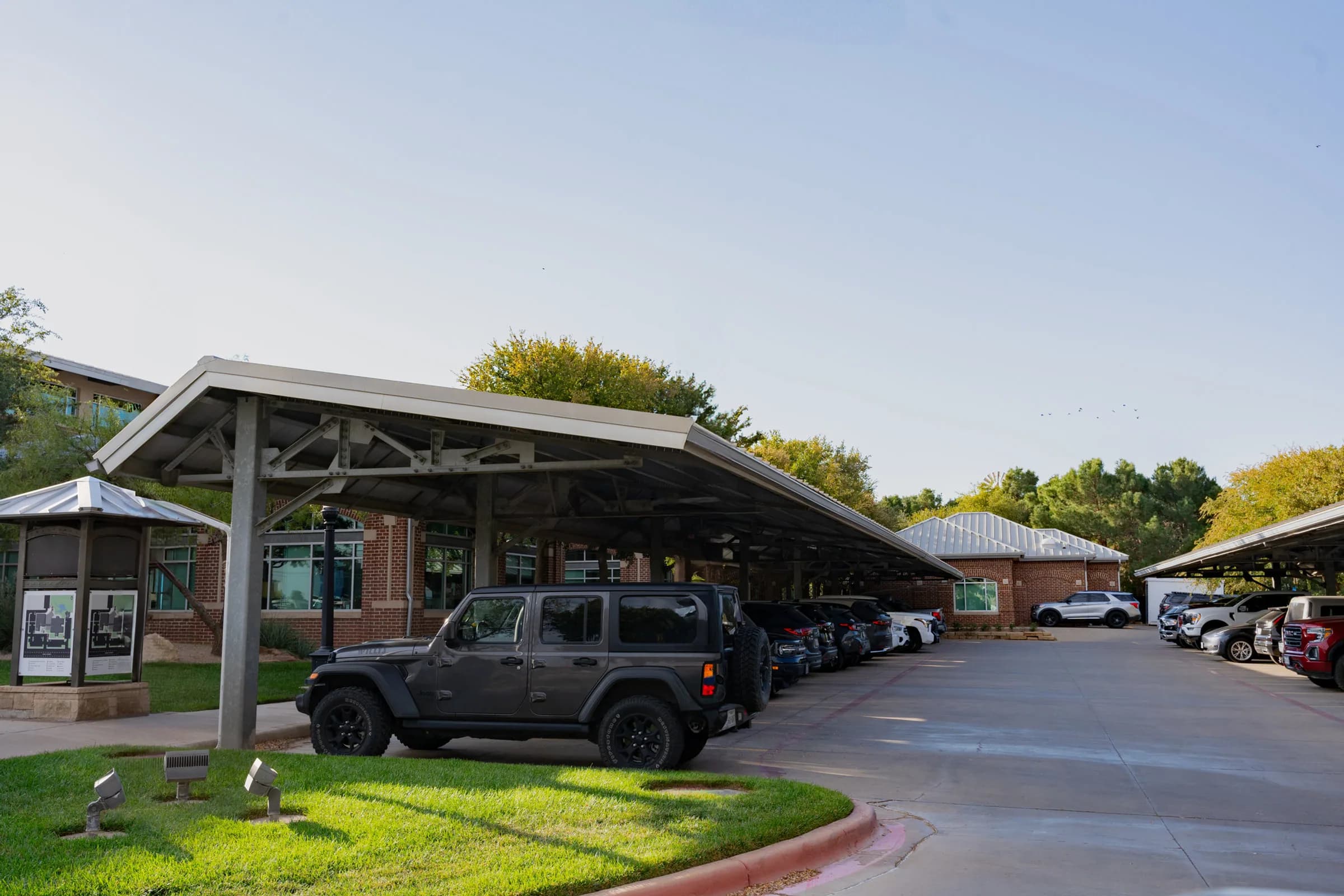
The core job of any canopy is protection, and steel does it at a level that lighter materials cannot match. Properly engineered steel carports are designed to local wind, snow, and seismic loads, which means they perform predictably in the conditions that actually damage cheaper covers. That structural integrity is what protects the assets parked beneath them.
Hail and UV exposure are the silent depreciators of any vehicle or fleet. A single hailstorm can write down the value of a parking lot full of cars or work trucks in minutes. Constant sun bakes paint, cracks dashboards, and degrades tires. A steel canopy intercepts that damage before it happens. For fleet and equipment owners, that protection translates directly into preserved residual value and fewer assets pulled out of service for cosmetic or weather repair.
Finishes that defend the structure itself
Protection only counts if the structure protecting your assets is itself protected. That is why finish matters. Painted and galvanized finishes resist corrosion, chalking, and rust, so the canopy keeps performing without the constant repainting and patching that plague unfinished metal or wood. The result is a structure that looks intentional on day one and still looks intentional a decade later, with minimal upkeep.
What is the ROI of a commercial steel carport canopy?
ROI on a steel carport comes from stacked, durable savings rather than a single line item. The math is most compelling when you account for the full life of the structure instead of the upfront cost alone.
- Avoided damage: Fewer hail and weather claims on tenant vehicles, fleet trucks, and equipment.
- Premium positioning: Covered stalls command higher rent or reserved-parking fees at multifamily and mixed-use properties.
- Reduced lifecycle cost: Steel does not rot, warp, or need replacing the way fabric and timber do, eliminating recurring capital outlays.
- Energy and incentive upside: Solar-ready carport designs can offset utility costs and may qualify for federal, state, or utility energy incentives.
- Appraisal lift: A permitted permanent improvement increases the documented value of the property at sale or refinance.
For a multifamily developer, a row of covered stalls can be the amenity that wins a lease in a competitive submarket. For a logistics or fleet operator, the saved residual value across dozens of vehicles can recover the structure's cost in a few seasons. The investment scales with the size of what you are protecting.
Which properties benefit most from covered steel parking?
Steel carport canopies earn their keep anywhere assets sit exposed to the elements, but a few property types see the strongest payback.
- Multifamily and apartment communities: Covered parking is a leasing differentiator that drives rent premiums and tenant satisfaction.
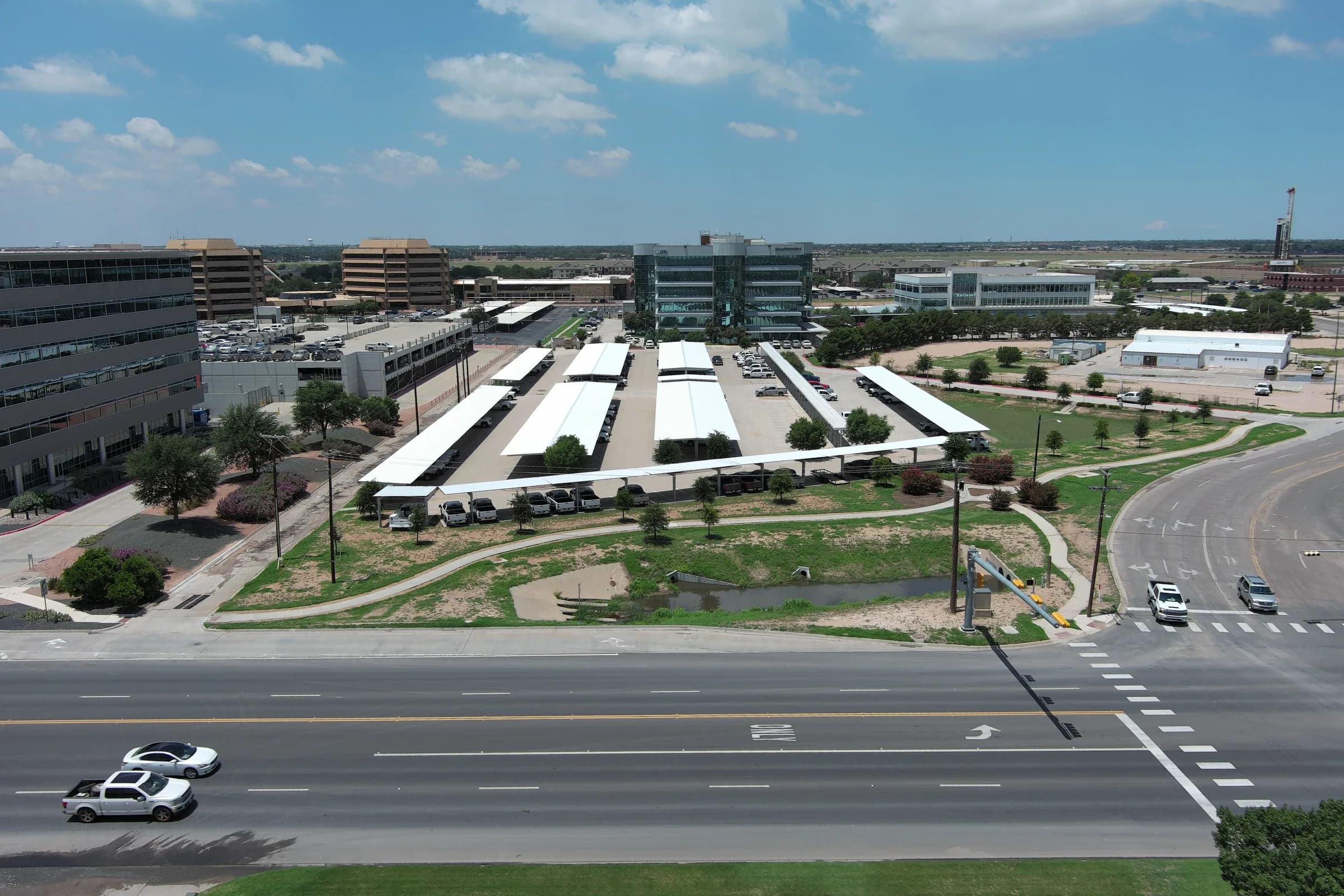
- Commercial and retail sites: Protecting employee and customer vehicles signals professionalism and improves the experience on-site.
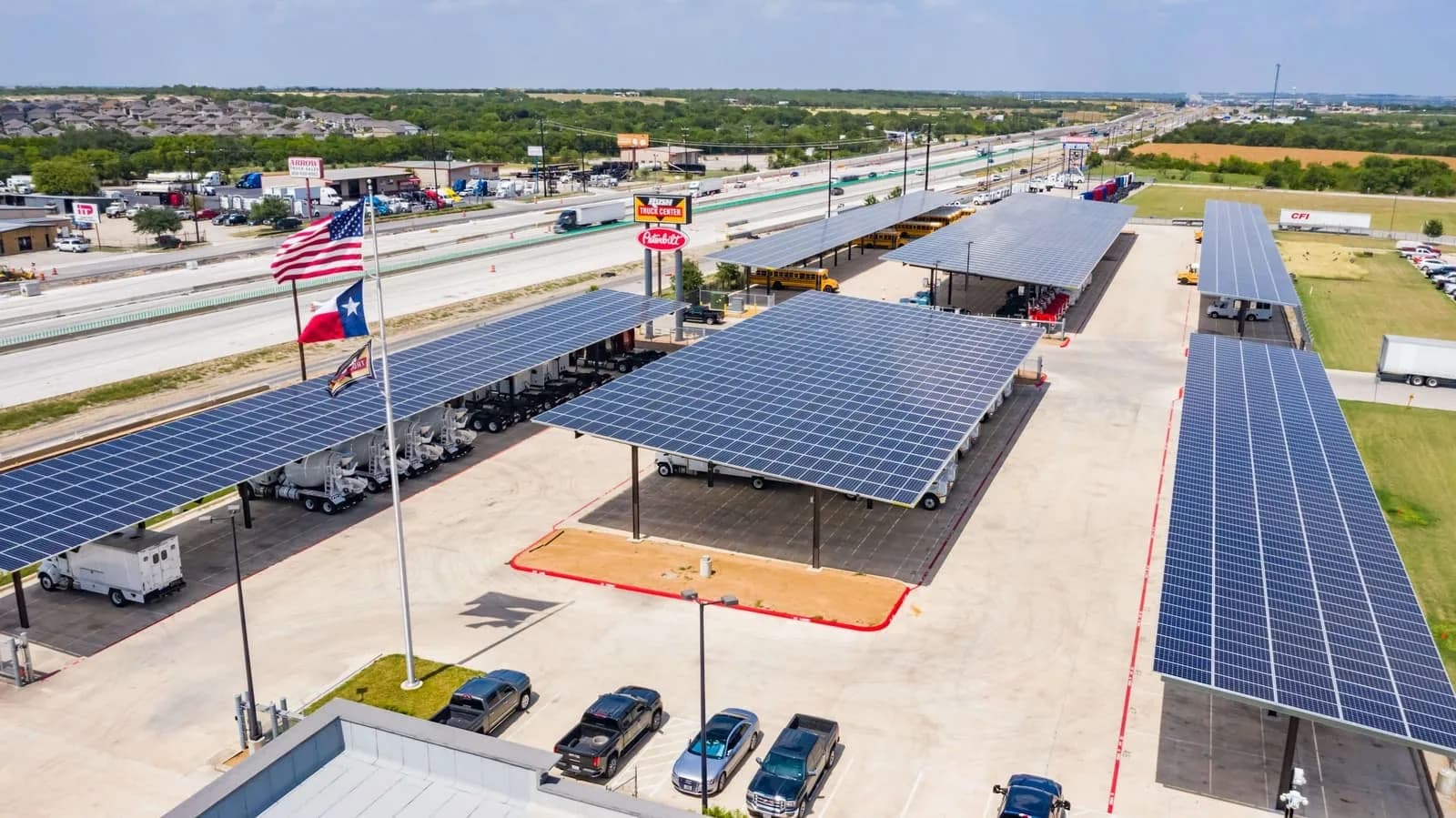
- Industrial and fleet facilities: Covering trucks and equipment preserves residual value and reduces downtime from weather damage.
- Municipal and institutional campuses: Public fleets, parks, and facilities gain durable, low-maintenance shelter that holds up under heavy public use.
Can a carport canopy also generate revenue?
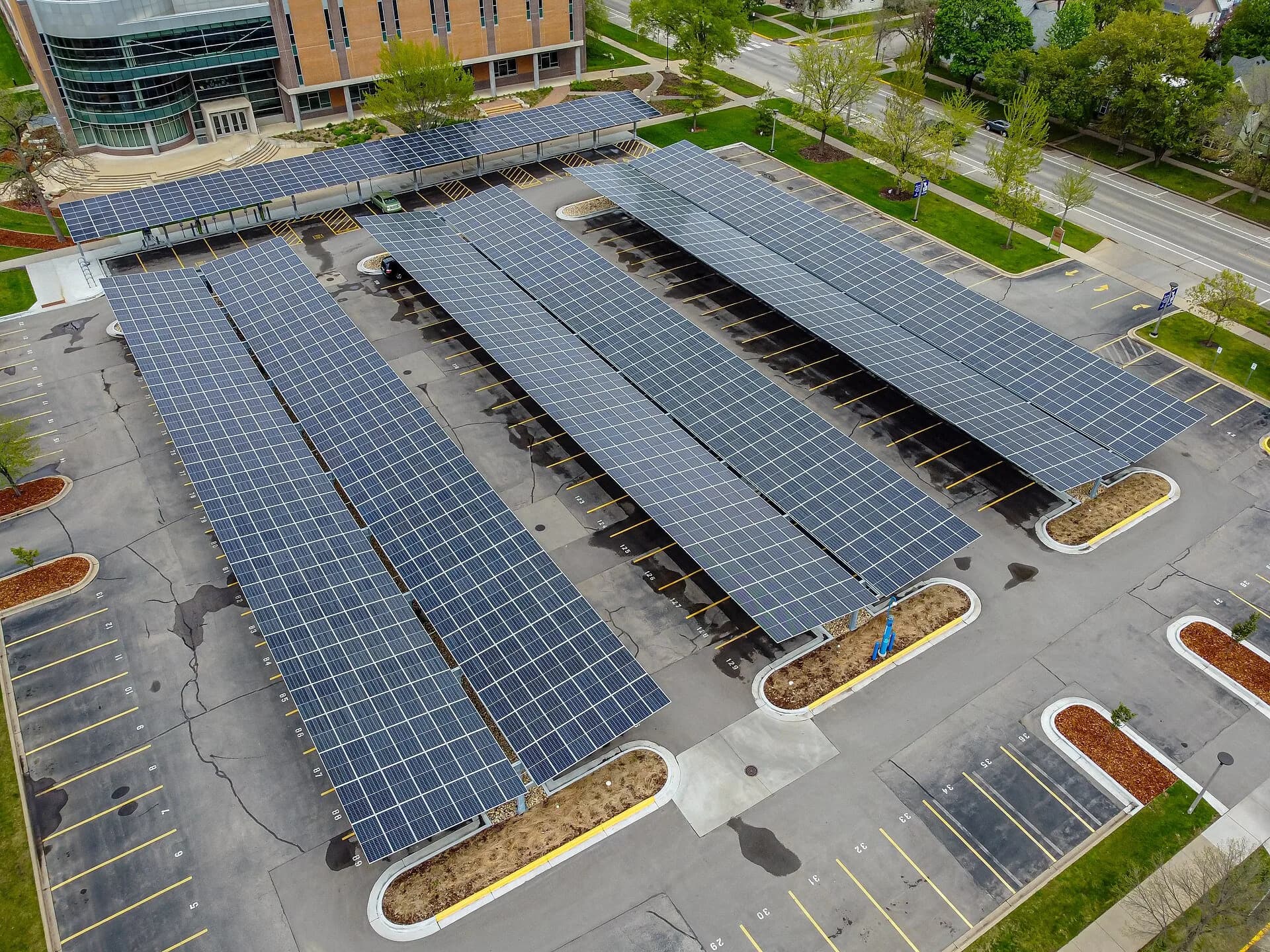
Yes. The most forward-looking owners specify solar carports, integrating photovoltaic panels into the canopy roof. This turns a protective structure into an energy-producing asset: the same steel that shades vehicles also generates electricity that can power buildings, feed EV chargers, or offset grid demand. On large, sun-exposed lots that otherwise sit idle, a solar carport monetizes airspace without consuming an additional square foot of developable land, all while qualifying for sustainability incentives that improve the return further.
What makes Real Steel Canopies a confident specification?
The value of a steel carport depends entirely on how well it is engineered and built, which is why the partner matters as much as the product. Real Steel Canopies designs, engineers, fabricates in-house, and installs commercial steel canopies, covered parking, solar canopies, and shade structures, controlling the entire process rather than subcontracting the parts that matter. With 20-plus years of experience and OSHA 30 certified leadership, the team delivers structures built to code and to last.
In-house fabrication also means speed and schedule certainty, which protect a project's budget as surely as the canopy protects the cars. The team has completed large-scale installs in as little as three days, including work for general contractors such as Austin Commercial, where downtime and disruption carry real cost. Headquartered in Lubbock, Texas, Real Steel Canopies takes on regional and national contracts across the United States, serving commercial, industrial, multifamily, and municipal owners, developers, and general contractors wherever the project is.
How should developers and GCs specify a steel carport?
Treat the carport like any other engineered building component. Confirm the structure is designed to your site's wind and snow loads, that the finish is painted or galvanized for your climate, and that the layout aligns with drainage, lighting, and code requirements before fabrication begins. One size does not fit a portfolio: size, color, finish, roof profile, and solar readiness should all be matched to the property's design intent and the local jurisdiction. Specified correctly, a steel carport canopy is one of the rare improvements that protects what you already own while adding measurable value to the property itself.
Frequently Asked Questions
- How long do commercial steel carport canopies last?
- Properly engineered steel carports with painted or galvanized finishes routinely last 25 to 30-plus years with minimal maintenance. Steel does not rot, warp, or degrade like fabric or wood, and corrosion-resistant finishes prevent rust. Lifespan depends on engineering to local loads and finish quality, which is why in-house fabrication and code-compliant design matter.
- Do steel carport canopies increase commercial property value?
- Yes. A permitted, permanent steel canopy is a documented site improvement that appraisers and buyers recognize, increasing the value of the underlying property. It also supports higher lease rates and tenant retention as a covered-parking amenity, so it contributes to both the asset value and the income the property generates.
- Is a steel carport canopy a depreciable capital improvement?
- Generally yes. As a permanent, permitted structure affixed to the property, a steel canopy is typically treated as a capital improvement rather than an expense, so owners can often depreciate it and may capture bonus depreciation. It raises the property's cost basis while improving the asset. Confirm specifics with your tax advisor for your situation.
- How does a steel canopy compare to a fabric or wood structure as an investment?
- Steel wins on total cost of ownership. Fabric covers fade, tear, and need replacement every few years, and wood rots and warps, so both erase their savings through repairs. A painted steel canopy holds its appearance and structural integrity for decades, protecting the investment and avoiding the recurring replacement costs that drag down cheaper options.
- Does a steel canopy strengthen appraisal and refinancing outcomes?
- It can. Because a permitted steel canopy is a permanent improvement that adds usable, protected parking and supports premium rents, appraisers can recognize it in both the cost and income approaches. That documented value lift and added net operating income strengthen the property's position during appraisal, refinancing, or sale negotiations with lenders and buyers.
Ready to protect your property?
Let's design a custom steel canopy solution tailored to your site, budget, and timeline.